
🌿 Migraines and Acupuncture: A Natural Way to Feel Better
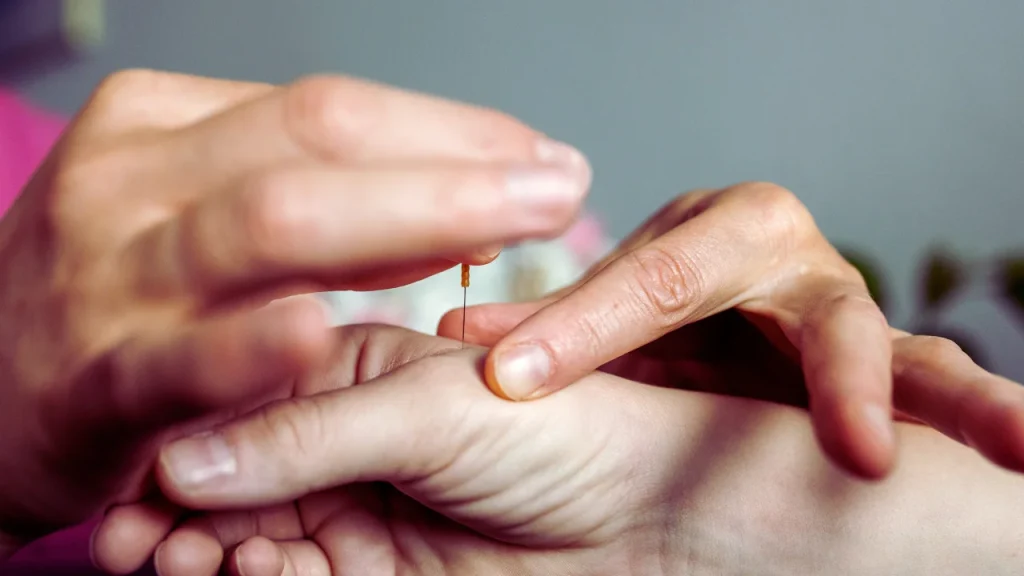
Many people use medication to help with their migraines, but sometimes it doesn’t work well or causes more problems and side effects. At EastWest Physiotherapy Burnaby, we have helped many of our clients with both chronic and acute migraines with acupuncture—a natural treatment that’s been used for thousands of years. In this article, we’ll explore what migraines are, what causes them, and how acupuncture may help bring relief.
What Is a Migraine?
Types of Migraines:
- Migraine without aura – The most common type. It causes pain on one side of the head and often includes nausea and sensitivity to light and sound.
- Migraine with aura – Some people see flashing lights or patterns before the headache starts.
- Chronic migraine – When headaches happen more than 15 days a month, for more than 3 months.
- Probable migraine – A migraine that doesn’t meet all the diagnostic criteria but still acts like one.
- Other related syndromes – Like stomach pain or vertigo (dizziness) in children.
What Triggers Migraines?
Research suggests that migraines are linked to changes in the brain, nerves, and blood circulation. Muscle tension and trigger points (muscle knots) in the neck, shoulders and the pericranial muscles are also present in 60% of migraines (without auras).
Some common triggers for migraine:
How Common Are Migraines?
- Stress (most common trigger)
- Hormonal changes (especially in women)
- Skipping meals
- Weather changes
- Lack of sleep or too much sleep
- Strong smells or bright lights
- Drinking wine or alcohol
- Certain foods (like chocolate or aged cheese)
- Physical activity
Migraines are unfortunately very common. About 12% of the population gets them—17% of women and 6% of men. Kids can get them too, especially girls after puberty. The risk goes up if your parents have migraines, as there is a genetic component.
Migraines are one of the top reasons people go to the emergency room, and they’re also a major cause of disability worldwide. Many lives are affected daily with this disability, affecting productivity and livelihoods.
What Is Acupuncture?
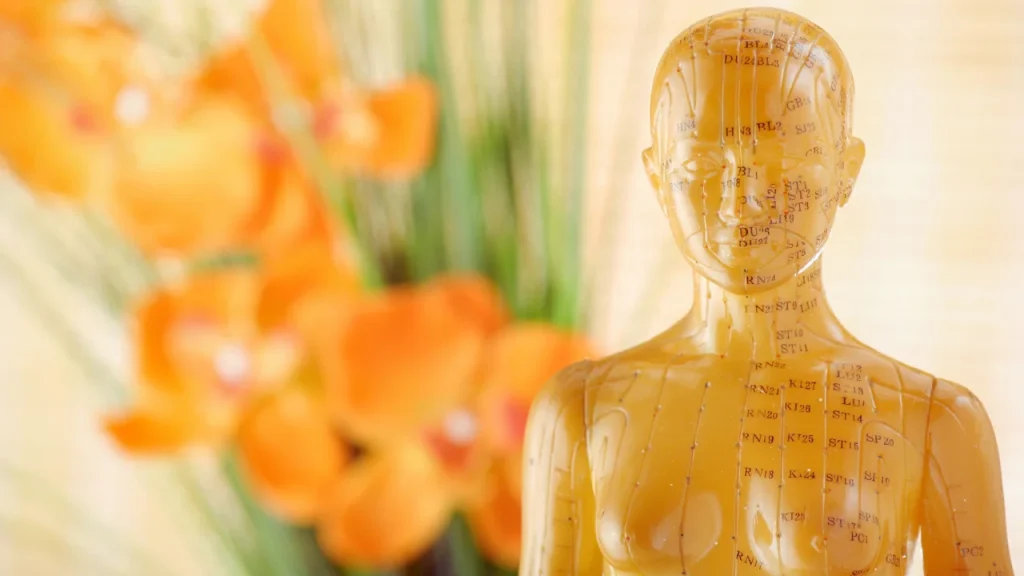
Acupuncture is a form of Traditional Chinese Medicine (TCM) that started over 3000 years ago. It works by placing thin needles on certain spots on your skin called “acupoints.” These points are believed to connect to energy channels in your body. As we now know in Western Medicine, these points are on and near major nerve points in the body, which affects the muscles, joints, ligaments, various soft tissues and the brain and spinal cord.
In TCM, people believe in a life force called qi (pronounced “chee”). When qi flows well through your body, you feel healthy. When it gets blocked or unbalanced, you feel sick or in pain. Acupuncture treatments helps get qi moving again.
Acupuncture Benefits:
- Releasing natural painkillers called endorphins
- Improving blood flow
- Helping the brain decrease sensitivity to pain
- Activating specific areas in the brain (seen in MRI scans) to decrease pain, increase blood flow
- Achieve homeostasis in the body (balance) so that the body can regulate itself well
- Relaxation of the muscles in the neck, shoulders and pericranial muscles
- Activating the parasympathetic nervous system (calms the nervous system)
Can Acupuncture Help with Migraines?
Benefits of Acupuncture for Migraines:
- Fewer migraine days
- Less intense pain during migraines
- Few/minimal side effects compared to medication
- Improved sleep and mood
- Feeling more in control of your health
Our Burnaby Physiotherapists are trained to provide acupuncture treatments for migraines.
What Happens During a Session?
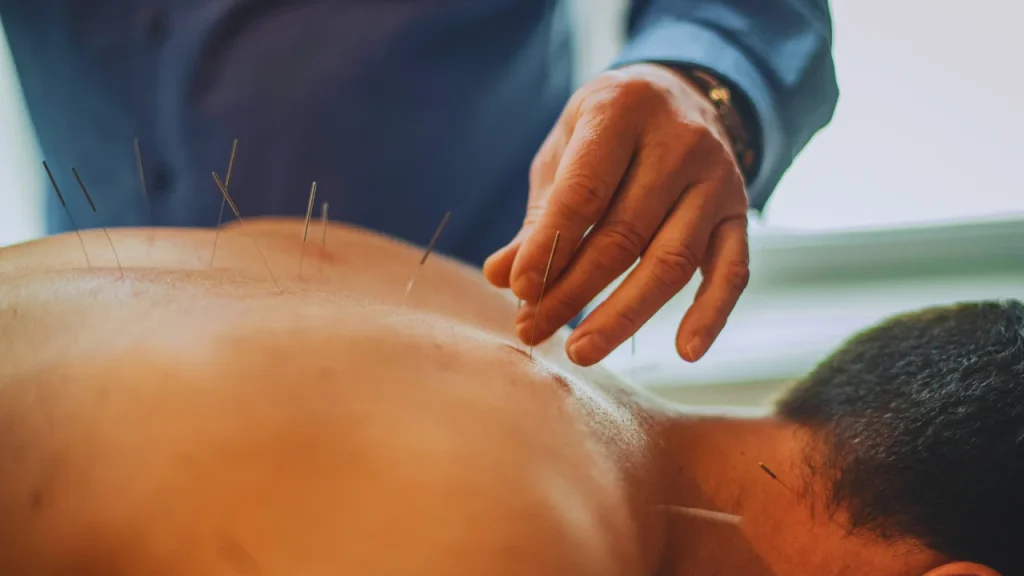
- You’ll lie down in a quiet room.
- The Physiotherapist will place thin needles into specific points on your body.
- The needles stay in for about 15–30 minutes.
- Most people say it doesn’t hurt—some even may feel relaxed or sleepy during and after the treatment.