
Burnaby Physio & Massage Therapy
Carpal Tunnel Syndrome Treatment
Treatments
Carpal Tunnel Syndrome Treatment in Burnaby - EastWest Physiotherapy
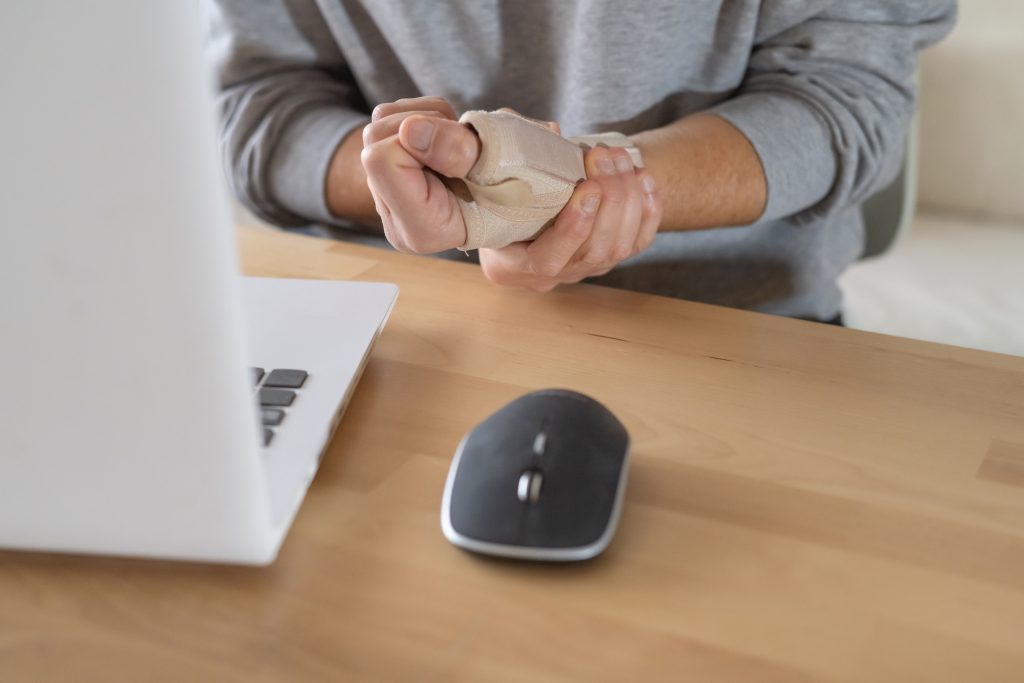
Carpal Tunnel Syndrome is a common condition that can cause wrist pain, hand numbness, tingling, and weakness, often interfering with work, sleep, and daily activities. It can develop gradually and may worsen over time if not addressed early. This condition affects 3-4% of the population, and is usually more common in women than men.
At EastWest Physiotherapy in Burnaby, we provide one-to-one carpal tunnel treatment in private rooms, combining evidence-based Western physiotherapy with proven Eastern techniques such as acupuncture and cupping to reduce nerve irritation, restore hand function, and address the root cause of symptoms.
What Is Carpal Tunnel Syndrome?
Carpal Tunnel Syndrome occurs when the median nerve becomes compressed as it passes through the carpal tunnel—a narrow passageway in the wrist formed by bones and ligaments. This nerve controls sensation and movement in the thumb, index finger, middle finger, and part of the ring finger.
When pressure within the carpal tunnel increases, the median nerve can become irritated, leading to pain and neurological symptoms in the hand and fingers.
Carpal Tunnel Syndrome often develops gradually and may affect one or both hands.
What Causes Carpal Tunnel Syndrome?
Carpal Tunnel Syndrome usually develops due to repetitive strain or sustained compression, rather than a single injury. Contributing factors may include:
- Repetitive hand or wrist movements
- Prolonged computer or mouse use
- Poor wrist posture or ergonomics
- Forceful gripping or vibration exposure
- Swelling from inflammation or fluid retention
- Tendon irritation within the carpal tunnel
Research shows that load management, movement modification, and targeted rehabilitation are key components of effective conservative treatment.
Common Symptoms of Carpal Tunnel Syndrome
Symptoms may vary in intensity and often worsen with repetitive hand use or prolonged wrist positions.
Common symptoms include:
- Numbness or tingling in the thumb, index, and middle fingers
- Hand or wrist pain
- Burning or electric-like sensations
- Weak grip strength
- Dropping objects
- Symptoms worse at night or upon waking
- Relief by shaking the hand
Early physiotherapy intervention can help prevent progression and long-term nerve irritation.
How Long Does Carpal Tunnel Syndrome Take to Improve?
Recovery timelines vary depending on symptom duration and severity. Many people experience improvement within 4–8 weeks of consistent physiotherapy treatment.
Long-standing or more severe cases may take longer and require ongoing management.
Do All Cases of Carpal Tunnel Syndrome Require Surgery?
No. Many cases improve with conservative treatment such as physiotherapy, especially when addressed early. Surgery is usually considered only when symptoms are severe, progressive, or not responding to conservative care.
What Causes Carpal Tunnel Syndrome?
Carpal Tunnel Syndrome usually develops due to repetitive strain or sustained compression, rather than a single injury. Contributing factors may include:
- Repetitive hand or wrist movements
- Prolonged computer or mouse use
- Poor wrist posture or ergonomics
- Forceful gripping or vibration exposure
- Swelling from inflammation or fluid retention
- Tendon irritation within the carpal tunnel
Research shows that load management, movement modification, and targeted rehabilitation are key components of effective conservative treatment.
How Physiotherapy Helps Carpal Tunnel Syndrome
Physiotherapy is often recommended as a first-line treatment for mild to moderate Carpal Tunnel Syndrome. Studies published in journals such as The Journal of Orthopaedic & Sports Physical Therapy support conservative care to reduce symptoms and improve hand function.
Physiotherapy focuses on:
- Reducing nerve compression
- Improving wrist and hand mobility
- Addressing muscle imbalances
- Modifying contributing activities
At EastWest Physiotherapy, treatment is tailored to your symptoms, work demands, and lifestyle.
Our Carpal Tunnel Syndrome Treatment Approach at EastWest Physiotherapy
Comprehensive One-to-One Assessment
Your physiotherapist will assess:
- Wrist and hand movement
- Nerve sensitivity and symptoms
-
Grip strength and muscle control
- Posture and upper limb mechanics
- Workstation and daily activity demands
This helps determine whether symptoms are coming from the wrist itself or influenced by the forearm, elbow, shoulder, or neck.
Exercise Therapy & Nerve Mobility
Exercise therapy plays a key role in recovery. Research supports controlled movement and nerve gliding exercises to reduce symptoms without increasing irritation.
Your program may include:
- Median nerve mobility exercises
- Wrist and forearm strengthening
- Finger and grip endurance training
- Postural and shoulder stabilization exercises
- Exercises are introduced gradually to protect the nerve while restoring normal movement.
Manual Therapy
Hands-on physiotherapy techniques may be used to:
- Reduce stiffness in the wrist and forearm
- Improve joint mobility
- Decrease muscle tension
- Improve circulation around irritated tissues
- Manual therapy supports symptom relief and improves tolerance to exercise.
Acupuncture / Dry Needling
Acupuncture and dry needling can help reduce pain, nerve sensitivity, and muscle tension associated with Carpal Tunnel Syndrome. Research supports acupuncture as an effective adjunct for nerve-related wrist and hand pain when combined with physiotherapy.
Cupping Therapy
Cupping therapy may be used to:
- Reduce soft tissue tightness in the forearm
-
Improve local blood flow
- Decrease tension from repetitive hand use
- It is commonly used alongside exercise and manual therapy for chronic or persistent symptoms.
Electrotherapy & Therapeutic Modalities
When appropriate, we may use modalities such as:
- TENS or IFC for pain modulation
- Ultrasound therapy to support tissue healing
- Neuromuscular stimulation to improve muscle activation\
- Super Inductive System (Advanced Physiotherapy Modality) using high intensity electromagnetic field therapy to stimulate nerve recovery and regeneration
These treatments are used selectively to support active rehabilitation.
Why Choose EastWest Physiotherapy for Carpal Tunnel Treatment?
- One-to-one physiotherapy care
- Private treatment rooms
- Evidence-based Western rehabilitation
- Integrated Eastern techniques such as acupuncture and cupping
- Personalized treatment plans, not rushed or generic
- Convenient location near Brentwood and North Burnaby
Frequently Asked Questions (FAQ) – Carpal Tunnel Syndrome Treatment
What are the early signs of carpal tunnel syndrome?
Early symptoms often include numbness, tingling, or pins-and-needles sensations in the thumb, index, and middle fingers. Symptoms may be worse at night or first thing in the morning and often improve temporarily by shaking the hand.
Can physiotherapy help carpal tunnel syndrome without surgery?
Yes. Physiotherapy is commonly recommended as a first-line treatment for mild to moderate carpal tunnel syndrome. Treatment focuses on reducing nerve irritation, improving wrist and hand mechanics, and addressing contributing factors such as posture and repetitive strain.
How long does physiotherapy take to improve carpal tunnel symptoms?
Many people notice improvement within 4–8 weeks of consistent physiotherapy. Recovery time depends on how long symptoms have been present, activity demands, and adherence to exercises and ergonomic changes.
Is carpal tunnel caused only by computer use?
No. While computer and mouse use can contribute, carpal tunnel syndrome can also be caused by repetitive gripping, vibration exposure, forceful hand use, inflammation, and prolonged wrist positions. It often results from a combination of factors.
Can acupuncture help carpal tunnel syndrome?
Research suggests acupuncture can help reduce pain, nerve sensitivity, and inflammation associated with carpal tunnel syndrome. It is often used alongside physiotherapy exercises and manual therapy for improved outcomes.
Does cupping therapy help with carpal tunnel symptoms?
Cupping therapy may help reduce forearm muscle tension, improve circulation, and relieve soft tissue restrictions that contribute to nerve compression. It is commonly used as a complementary treatment with physiotherapy.
Do I need an MRI or nerve test before starting physiotherapy?
Not always. Many cases of carpal tunnel syndrome can be identified through a thorough clinical assessment. Nerve conduction studies or imaging may be recommended if symptoms are severe or not improving with treatment.
Are there any topical creams I can use to help my carpal tunnel syndrome?
Topical medications can help reduce symptoms surrounding carpal tunnel syndrome. Topical NSAIDS can help reduce inflammation in the nearby tissues, topical lidocaine can help reduce nerve pain symptoms. Please talk to your physician for drug recommendations, and before starting any medications.
Should I stop working if I have carpal tunnel syndrome?
In most cases, complete rest is not required. Physiotherapy focuses on activity modification, ergonomic adjustments, and load management so you can continue working safely while recovering.
Can carpal tunnel syndrome become permanent if untreated?
If left untreated for long periods, ongoing nerve compression may lead to persistent numbness or weakness. Early physiotherapy intervention can help reduce the risk of long-term nerve damage.
Book Carpal Tunnel Physiotherapy in Burnaby
If wrist or hand symptoms are affecting your work, sleep, or daily activities, early physiotherapy care can help prevent progression and support recovery.